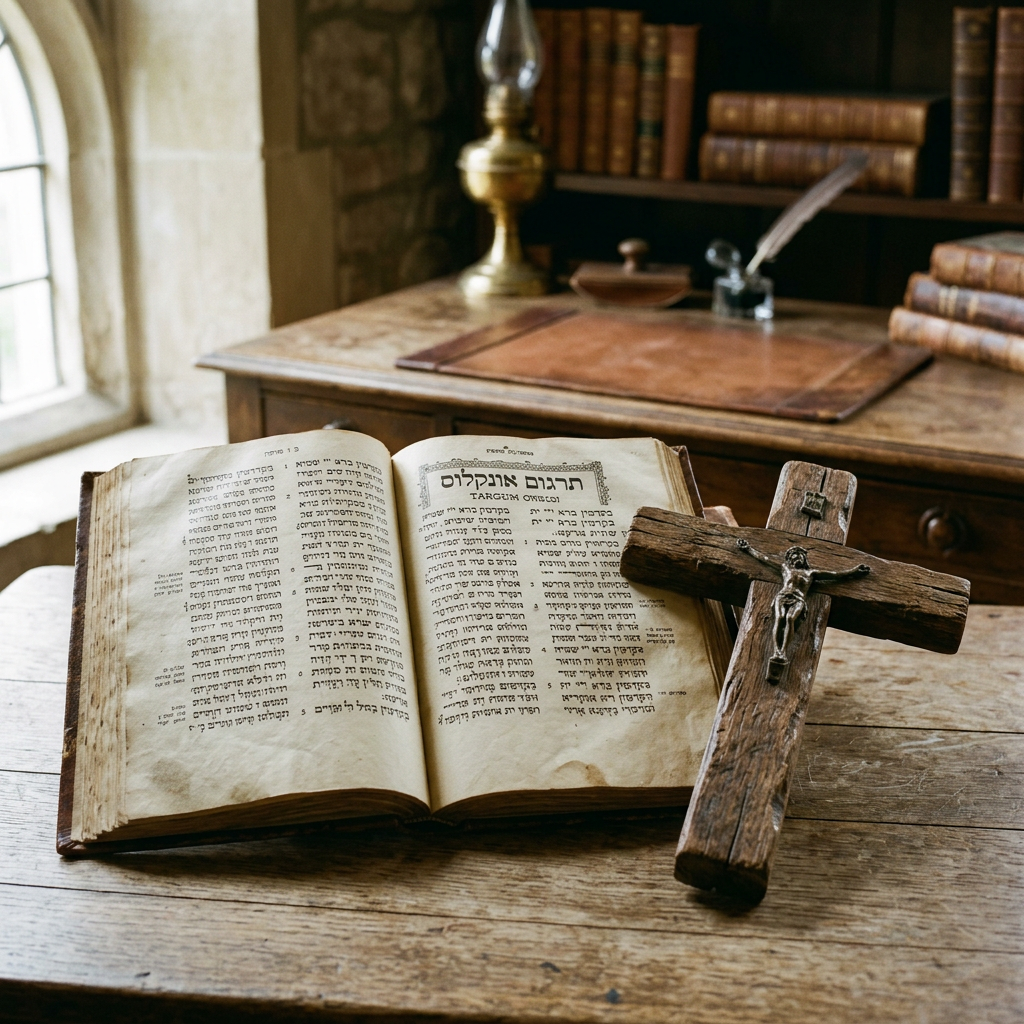

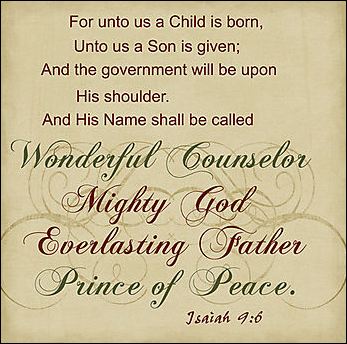
Ancient Jewish sources, including the Targum of Isaiah, Midrashim, and medieval rabbis like Ibn Ezra, boldly declare that the Messiah would be called “Mighty God,” “Everlasting Father,” and bear divine names. Isaiah 9:6-7 speaks of a Child born and Son given who would sit on David’s throne forever — and rabbinic writings interpret these titles as applying directly to the Messiah. Far from being a later Christian invention, the idea of a divine Messiah who is the LORD appearing in human form was deeply rooted in Jewish expectation long before the first century.
Ancient Jewish sources declare that Messiah would be the LORD God.
Isaiah 9:6 declares speaks of a Son who is given who would be called the Mighty God.
Isa 9:6 For unto us a child is born, unto us a son is given: and the government shall be upon his shoulder: and his name shall be called Wonderful, Counsellor, The mighty God, The everlasting Father, The Prince of Peace.
Verse 7 declares that this Son would sit on the throne of David forever…this is clearly a prophecy of the Messiah of which believers in the 1st Century were waiting for.
This verse points out the inescapable fact that the Messiah is God Almighty appearing in human form. That this passage was considered Messianic is evident from the fact that verse 7 says that the Child would sit on the throne of David forever, a description which only fits the Messiah.
Isa 9:7 Of the increase of his government and peace there shall be no end, upon the throne of David, and upon his kingdom, to order it, and to establish it with judgment and with justice from henceforth even for ever. The zeal of the LORD of hosts will perform this.
The Targum of Isaiah and other rabbinic writings speak of this prophecy as applying to the Messiah.
In the Targum of Isaiah we read: “His name has been called from old, Wonderful Counselor, Mighty God, He who lives forever, the Messiah, in whose days peace shall increase upon us.”
For those not familiar, the Targums were Aramaic translations (paraphrases to be exact) of the TaNaKH. They were said to have been read in the synagogues in the first century which means that believers of that time period would have been very familiar with these writings.
Pereq Shalom: R. Yose the Galilean said: “The name of the Messiah is Peace, for it is said, “Everlasting Father, Prince of Peace.”
Pereq shalom is a part of the Talmudic tractate ‘Derekh Eretz Zuta.’
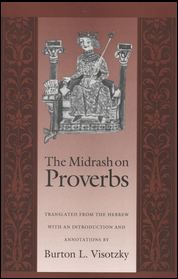
Midrash Mishle is the ‘midrash’ on the book of Proverbs.
Midrash Mishle, S. Buber edition: The Messiah is called by eight names: Yinnon, Tzemah, Pele [“Miracle”], Yo’etz [“Counselor”], Mashiah [“Messiah”], El [“God”], Gibbor [“Hero”], and Avi ‘Ad Shalom [“Eternal Father of Peace”]
Ibn Ezra said “There are some interpreters who say that ‘wonderful, counselor, mighty God, everlasting Father’ are the names of God, and that only ‘prince of peace’ is the name of the child. But according to my view, the right interpretation is that they are all the names of the child.” {Yeshua Ben David – Walter Riggins pg 370}
Ibn Ezra (Rabbi Abraham Ben Meir Ibn Ezra) lived in the 11th century and was one of the most distinguished rabbis of the Middle Ages. He was called “The Wise”, “The Great” and “The Admirable Doctor”.
Jesus from Rabbinic Sources – Rosh Hashana Machzor
Jesus from Rabbinic Sources – The LORD our Righteousness
Jesus from Rabbinic Sources – The Son of God
Jesus from Rabbinic Sources – Messiah born in Bethlehem
Jesus from Rabbinic Sources – King & Priest
Jesus from Rabbinic Sources – Suffering Servant
Jesus from Rabbinic Sources – Suffering Servant 2
Jesus from Rabbinic Sources – Suffering Servant: The Messiah Texts – Raphael Patai
Jesus from Rabbinic Sources – Suffering Servant: Sanhedrin 98b
Jesus from Rabbinic Sources – Suffering Servant: Midrash Rabbah
Jesus from Rabbinic Sources – Suffering Servant: Jewish Sources
Jesus from Rabbinic Sources – Suffering Servant: Rays of the Messiah’s Glory
Jesus from Rabbinic Sources – Suffering Servant: More Jewish Sources
Jesus from Rabbinic Sources – The Pierced One
Jesus from Rabbinic Sources – The Pierced One: Rabbi Abraham Ben Ezra
Jesus from Rabbinic Sources – Pesikta Rabbati & Psalm 22
Jesus from Rabbinic Sources – Daniel 9
Jesus from Rabbinic Sources – Pidyon haben
 Little Guy in the Eye