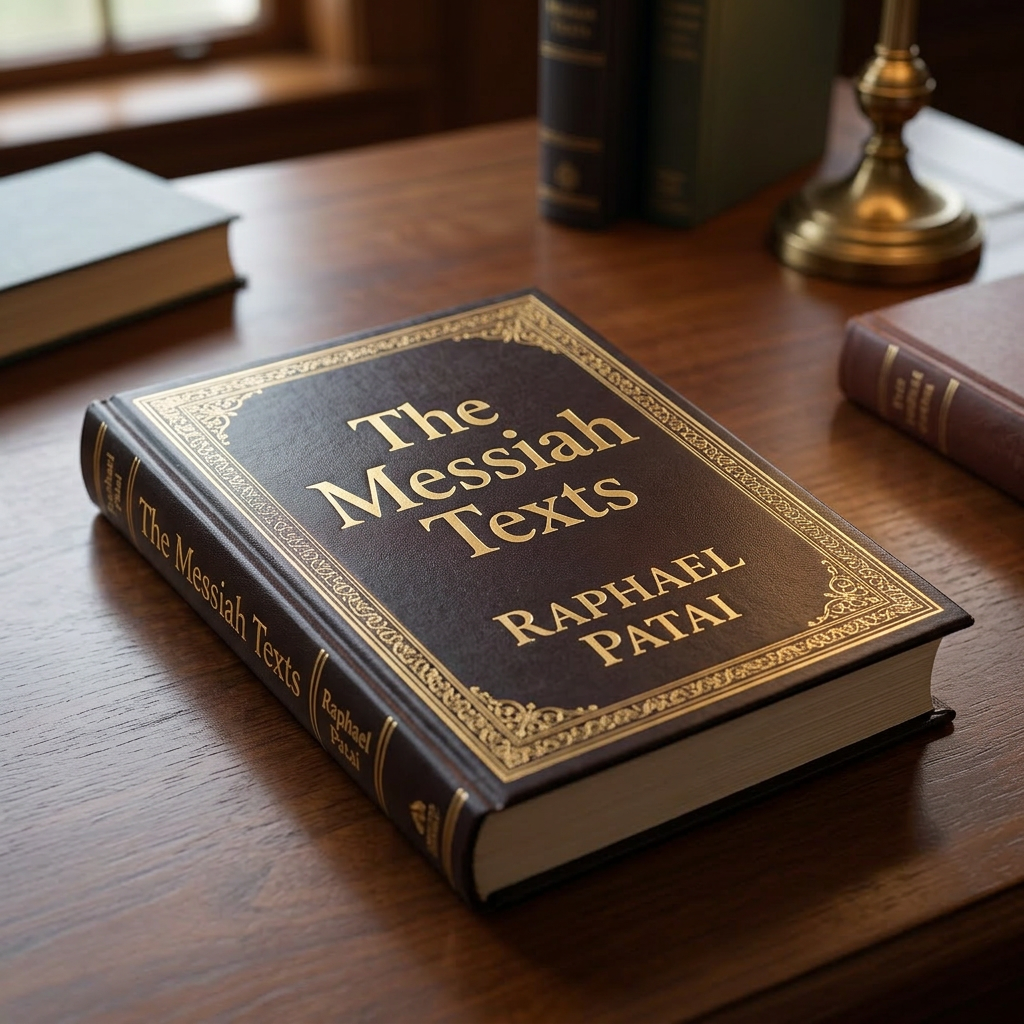

Raphael Patai’s The Messiah Texts gathers Jewish sources that declare the Messiah of Isaiah 53 willingly suffers for the sins of Israel so that none should perish.
Raphael Patai in his work The Messiah Texts, identifies the Suffering Servant of Isaiah 53 as the Messiah who willingly suffers for the sins of Israel, is rejected by His people, and through His afflictions brings atonement and redemption—expectations embedded in Jewish tradition long before the first century.
Patai records an ancient tradition in which God asks the Messiah if He will take upon Himself the suffering for Israel’s sins. The Messiah replies: “With gladness in my soul and with joy in my heart I accept it, so that not a single one of Israel should perish; and not only those who will be alive should be saved in my days, but even the dead who have died from the days of Adam the First man until now.” Another passage describes the patriarchs rising to acknowledge that the Messiah has suffered more than they because of the sins of their children, and the Messiah affirms that all He endured was for their sake and for the honor of their children. These sources present a Messiah who freely bears the sufferings of Israel.
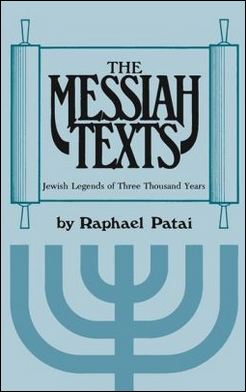
In his work The Messiah Texts, renowned scholar Raphael Patai compiled a vast collection of ancient and medieval Jewish sources that identify the Suffering Servant of Isaiah 53 as the Messiah. These rabbinic texts describe a Messiah who suffers for the sins of Israel, is rejected by his people, and through his afflictions brings atonement and redemption. This continuation of the series highlights how these expectations were firmly embedded in Jewish tradition long before the first century.
The Messiah Texts: Jewish Legends of Three Thousand Years is a comprehensive anthology written by Raphael Patai. Patai compiled, translated, and organized hundreds of excerpts from the Bible, Talmud, Midrashim, Zohar, medieval commentaries, and later folklore — all related to the Messiah.
According to an ancient Jewish tale, God asked Messiah if he wanted to take upon himself the suffering for Israel’s sins.
The Messiah replied,
“With gladness in my soul and with joy in my heart I accept it, so that not a single one of Israel should perish; and not only those who will be alive should be saved in my days, but even the dead who have died from the days of Adam the First man until now.” {Raphael Patai, The Messiah Texts pg 112, citing Pesikta Rabbati, pp. 161a-b}
“The Fathers of the Wordl [Abraham, Isaac, and Jacob] will in the future rise up in the month of Nissan and will speak to him: “Ephraim, our True Messiah! Even though we are your fathers, you are greater than we, for you suffered because of the sins of our children, and cruel punishments have come upon you the like of which have not come upon the early and the later generations, and you were put to ridicule and held in contempt by the nations of the world because of Israel, and you sat in darkness and blackness and your eyes saw no light, and your skin cleft to your bones, and your body dried our and was like wood, and your eyes grew dim from fasting, and your strength became like a potsherd. All this because of the sins of our children. Do you want that our children should enjoy the happiness that the Holy One, blessed be He, allotted to Israel, or perhaps, because of the great sufferings that have come upon you on their account, and because they imprisoned you in the jailhouse, your mind is not reconciled with them?
And the Messiah answers them: “Fathers of the World! Everything I did, I did only for you and for your children, and for your honor and for the honor of your children, so that they should enjoy this happiness the Holy One, blessed be He, has allotted to Israel.”
Raphael Patai was a prominent Jewish writer of the 20th Century (Lived 11/22/1910-7/20/1996). In 1936 he won the the Bialik Prize for Jewish thought.
littleguyintheeye@gmail.com
Jesus from Rabbinic Sources – Rosh Hashana Machzor
Jesus from Rabbinic Sources – Messiah the LORD
Jesus from Rabbinic Sources – The LORD our Righteousness
Jesus from Rabbinic Sources – The Son of God
Jesus from Rabbinic Sources – Messiah born in Bethlehem
Jesus from Rabbinic Sources – King & Priest
Jesus from Rabbinic Sources – Suffering Servant
Jesus from Rabbinic Sources – Suffering Servant 2
Jesus from Rabbinic Sources – Suffering Servant: The Messiah Texts – Raphael Patai
Jesus from Rabbinic Sources – Suffering Servant: Sanhedrin 98b
Jesus from Rabbinic Sources – Suffering Servant: Midrash Rabbah
Jesus from Rabbinic Sources – Suffering Servant: Jewish Sources
Jesus from Rabbinic Sources – Suffering Servant: Rays of the Messiah’s Glory
Jesus from Rabbinic Sources – Suffering Servant: More Jewish Sources
Jesus from Rabbinic Sources – The Pierced One
Jesus from Rabbinic Sources – The Pierced One: Rabbi Abraham Ben Ezra
Jesus from Rabbinic Sources – Pesikta Rabbati & Psalm 22
Jesus from Rabbinic Sources – Daniel 9
Jesus from Rabbinic Sources – Pidyon haben
Jesus from Rabbinic Sources -Yeshua=Messiah in the Talmud
Jesus from Rabbinic Sources – Son of Joseph, Son of David